Unlocking the Power: A Complete Overview to Toyota Vehicle Engines
In the world of automotive engineering, Toyota is distinguished by its dedication to innovation and reliability. This article examines the details of Toyota's wide range of engines, including advancements in hybrid technology and performance enhancements. Each engine type offers unique benefits suited for different driving styles. Grasping these factors can substantially affect vehicle capability and fuel economy. The sections ahead will provide essential insights that all Toyota owners should keep in mind.
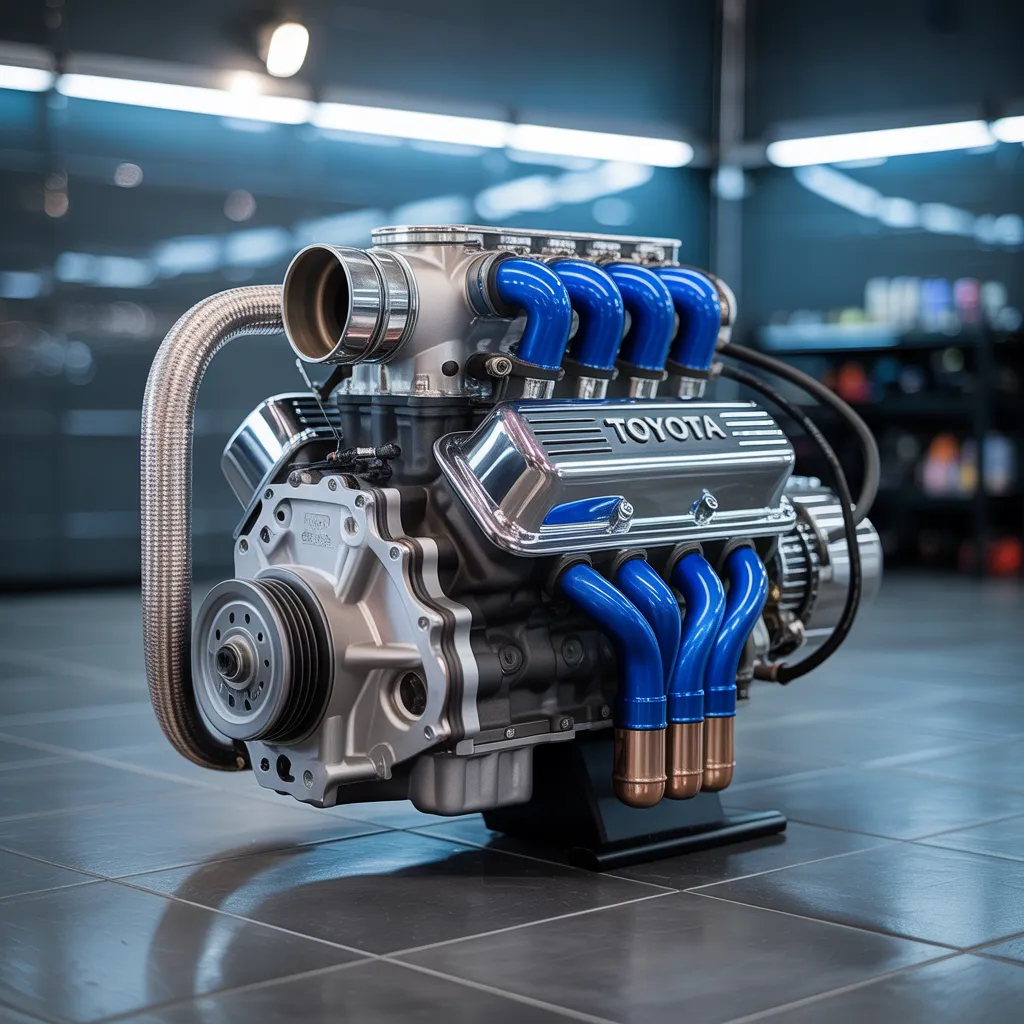
The Engineering Excellence Behind Toyota Engines
Toyota's dedicated engineering divisions prioritize dependability, often exceeding industry standards in testing and development. This rigorous approach leads to motors that not only perform well but also need less maintenance over time. Furthermore, the incorporation of advanced innovations, including fuel injection systems and variable valve timing, enhances both power output and fuel efficiency.
Toyota Engine Types and Their Unique Features
Toyota's engine portfolio highlights a diverse range of engineering solutions, including cutting-edge gasoline engines optimized for optimal output and economy. The integration of hybrid powertrain technology significantly boosts these engines, offering notable benefits in fuel efficiency and lower emissions. Recognizing these remarkable attributes provides insight into Toyota's commitment to excellence in engineering and environmental responsibility.
Gas-Powered Engine Innovations
An impressive collection of internal combustion engine breakthroughs showcases Toyota's engineering prowess, showcasing diverse solutions designed to enhance output and effectiveness. Toyota's advanced Dynamic Force Engine system embodies this dedication, optimizing combustion and improving thermal efficiency. Variable Valve Timing-intelligent (VVT-i) systems further enhance adaptability under various driving conditions, ensuring better fuel economy without sacrificing power. Moreover, the integration of turbocharged engines facilitates streamlined designs capable of delivering impressive torque and acceleration. Toyota's commitment to lightweight materials and advanced engineering also contributes to lower drag and superior overall output. Through the adoption of these advanced innovations, Toyota remains at the forefront of the automotive sector, delivering to drivers a blend of performance, fuel savings, and durability in their gasoline engines, defining new milestones in automotive excellence.
Hybrid Technology Advantages
Hybrid powertrain technology stands as a major breakthrough in automobile development, merging the benefits of gasoline and electric energy to produce a greener and more economical driving experience. Toyota's pioneering systems, like the Hybrid Synergy Drive, enhance fuel performance while cutting down on emissions. This technology allows vehicles to operate on electric power at lower speeds, decreasing fuel dependency and boosting metropolitan driving efficiency. Regenerative braking captures energy typically lost during deceleration, further improving efficiency. Furthermore, hybrid vehicles provide the benefit of decreased reliance on conventional fuels, advancing green energy goals. With a smooth transition between electric and fuel-based propulsion, Toyota's hybrid models offer an exceptionally fluid driving experience, attracting environmentally aware drivers who desire efficiency without sacrificing ecological values.
Discovering Toyota's Electric & Hybrid Engine Options?
While the automotive industry increasingly emphasizes sustainability, Toyota has risen to prominence in hybrid and electric powertrain technology. The company's pioneering approach to hybridization began with the Prius, which established a standard for lower emissions and improved fuel economy. Toyota's hybrid powertrains combine a combustion engine with an electric motor, enabling smooth transitions between power sources to maximize efficiency and performance.
In addition to hybrid models, Toyota now offers fully electric vehicles, showcasing its focus on zero-emission driving. The automaker's electric models prioritize impressive range capacity and rapid charging, addressing the growing demands of environmentally aware consumers.
Moreover, Toyota is strategically pursuing hydrogen fuel cell technology, further diversifying its range of alternative powertrains. This diverse initiative not only highlights Toyota's focus on environmental responsibility but also places the company as a pioneer in the movement toward a cleaner automotive industry.
Technologies Advancing Performance and Efficiency
Toyota incorporates an array of sophisticated technologies to optimize both efficiency and performance across its engine offerings. One prominent innovation is the Variable Valve Timing system, which optimizes valve operations for improved fuel efficiency and power delivery. Furthermore, the use of direct fuel injection allows for accurate fuel delivery, boosting combustion performance and lowering emissions.
Forced induction through turbocharging serves as another critical innovation, allowing compact engines to generate greater power while maintaining fuel efficiency. Additionally, Toyota utilizes lightweight materials in engine construction to decrease the engine's overall mass, contributing to improved performance and efficiency.
The integration of hybrid technology further exemplifies Toyota's dedication to sustainable practices, merging electric and gasoline capabilities for superior performance. Furthermore, cutting-edge engine management systems routinely track and optimize engine parameters, guaranteeing that performance and efficiency are enhanced across diverse driving conditions. Collectively, these breakthroughs represent Toyota's profound devotion to engineering excellence.
Strategies to Keep Your Toyota Engine Running Strong
Preserving optimal engine performance and long-term durability demands consistent attention and routine upkeep. Scheduled oil changes are a fundamental necessity; applying the manufacturer-approved oil type provides maximum lubrication performance. Tracking coolant levels and servicing the cooling system guards against overheating, which may result in significant engine damage. Consistently examining and changing air filters promotes better airflow, optimizing combustion performance.
Moreover, performing regular inspections of belts and hoses allows you to identify wear before it causes issues. Tire pressure is a critical aspect that deserves attention, as adequately inflated tires help lessen the burden on the engine. Preserving fuel system cleanliness is of great importance; incorporating high-grade fuel and routinely using fuel system cleaners can optimize engine performance.
Lastly, sticking to the manufacturer's recommended service schedules promotes overall engine health. By following these guidelines, owners of Toyota vehicles can benefit from a durable and powerful engine that runs smoothly across many years of use, ensuring dependable and efficient performance on the road.
Choosing the Right Toyota Engine for Your Driving Style
How do drivers go about finding the right Toyota engine that matches their personal driving needs? Understanding the key engine types available is essential. For motorists focused on maximizing gas mileage, Toyota's hybrid engine options, including those equipped in the Prius, provide remarkable efficiency while still maintaining strong performance. On the other hand, drivers in pursuit of a more dynamic experience might gravitate toward the turbocharged powertrains found in vehicles like the Camry TRD, which provide a thrilling time behind the wheel.
For off-road enthusiasts, the robust engines in the Tacoma and 4Runner deliver the required torque and durability for challenging terrains. Additionally, daily commuters may discover the smaller engines in the Corolla adequate for urban commuting, prioritizing maneuverability and convenient parking.
In the end, assessing one's own driving habits, performance expectations, and environmental factors will lead drivers to the perfect Toyota engine, providing a perfect fit between the vehicle's performance potential and the motorist's way of life.
Questions We Often Receive
What Does Toyota Do to Maintain Engine Reliability Over Time
Toyota guarantees engine dependability over the years by means of thorough testing procedures, superior materials, and cutting-edge engineering approaches. Continuous improvements driven by in-depth research and valuable customer insights additionally strengthen durability, fostering sustained performance and a higher level of customer satisfaction.
What Are the Most Common Signs of Toyota Engine Trouble?
Typical indicators of Toyota engine issues include unusual noises, oil seepage, decreased engine performance, warning lights on the dashboard, excessive heat buildup, and excessive exhaust smoke. Identifying these warning signs promptly can avoid more serious damage and expensive repairs.
Are Toyota Engines Compatible With Aftermarket Modifications?
Toyota engines are generally compatible with aftermarket modifications, allowing enthusiasts to enhance performance and learn the facts aesthetics. However, compatibility may vary based on specific models and modifications, demanding diligent investigation and planning for the best results.
What Is the Best Way to Identify My Toyota Engine Model?
To determine a Toyota engine model, one may check the engine code located on the engine block, typically near the front. Additionally, VIN numbers and vehicle owner's manuals offer essential information for proper identification.
What Maintenance Schedule Should You Follow for Toyota Engines?
Toyota motors generally demand regular maintenance at intervals of 5,000 to 10,000 miles, including oil changes, filter replacements, and inspections. Complying with the manufacturer's specifications guarantees peak performance and longevity of the vehicle.